
Iwamura Electric’s Fight to Survive
Memoirs of a GeishaThis thread follows the business partnership of Iwamura Ken and Nobu Toshikazu from its early growth through wartime coercion and postwar recovery.
increasing Bearing strength in each event
 decreasing
Bearing strength in each eventdecreasingA Company Takes Shape
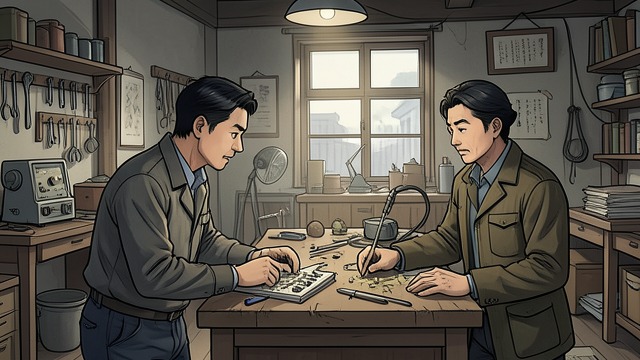
A Company Takes Shape
An inventor’s departure
Iwamura Ken leaves an established electrical company to build a business around a practical lighting invention. Early contracts give the young company a foothold, but its survival depends on more than a clever product.
Nobu’s arrival
Nobu Toshikazu joins after supervising electrical work for the company and becomes the partner who can turn the founder’s ideas into a functioning enterprise. Their roles differ: Iwamura Ken directs and imagines, while Nobu manages and confronts practical difficulties.
The partnership becomes the foundation of a public reputation. Their success is not a simple story of a solitary founder; it rests on trust, complementary abilities, and the willingness to give each other authority.
The Debt of Partnership
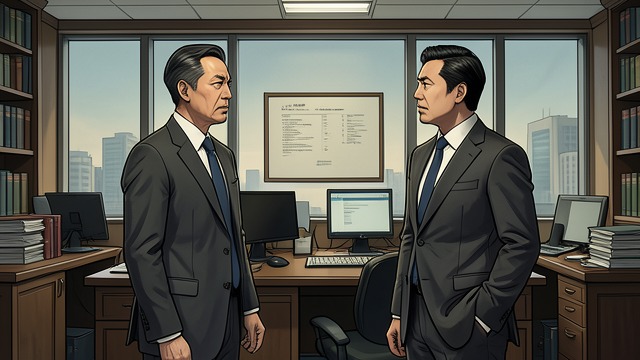
The Debt of Partnership
A near-collapse
As the company grows, Iwamura Ken resists bringing in investors because he fears losing control. Nobu Toshikazu argues that the company needs outside financing and takes steps that eventually prevent it from failing.
A lasting obligation
Their disagreement creates a temporary rift, but the company survives because Nobu’s judgment proves sound. Iwamura Ken later acknowledges that without Nobu’s intervention, the business would have been lost.
The rescue becomes a private debt that shapes later choices. Iwamura Ken’s gratitude is not merely professional courtesy; it influences how he handles Nobu’s feelings and his own attachment to Sayuri.
Wartime Pressure
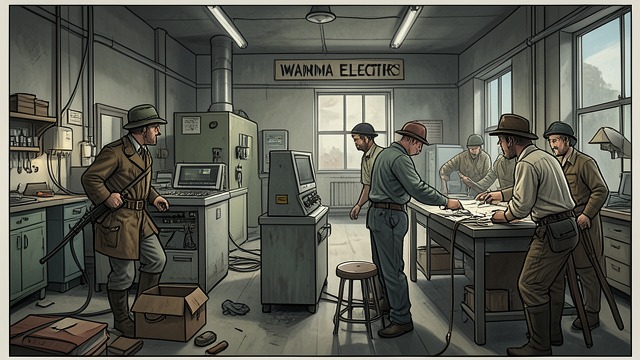
Wartime Pressure
A civilian firm under command
The wartime government pressures Iwamura Electric to make military goods despite the company’s civilian identity. Iwamura Ken resists for as long as he can, while the firm’s leaders attempt to protect its operations and workers from demands that could distort or destroy the business.
Consequences for the partnership
Nobu Toshikazu and Iwamura Ken face a narrowing set of choices as material controls and political pressure intensify. Their company is not insulated from the war merely because it began by making electrical appliances; its facilities and future depend on decisions imposed from outside.
The business crisis runs alongside Gion’s contraction, linking the company’s fortunes to the livelihoods of people who depend on its patrons and resources. By the time the geisha districts close, business survival and personal survival have become inseparable concerns.
The Postwar Company Case
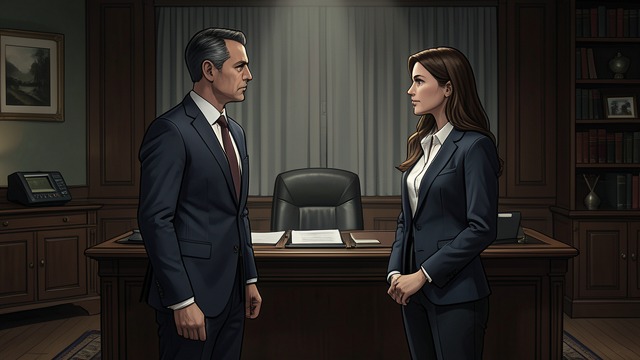
The Postwar Company Case
An uncertain classification
After the war, the Allied Occupation authorities treat Iwamura Electric as a concern subject to restrictions and possible seizure. The company’s future is threatened by the possibility that its assets will be sold to meet reparations.
Sato’s influence
Nobu Toshikazu resents Deputy Minister Sato but recognizes that Sato can affect how the company’s case is handled. Through Sayuri’s attendance at gatherings, the firm seeks to keep the Minister engaged, even when the meetings are awkward and Nobu finds his company distasteful.
The pressure places business survival in tension with personal dignity. Nobu has to cultivate the help of a man he dislikes, while Sayuri is asked to perform social labor that may influence the company’s future.
Financing and Recovery
Financing and Recovery
A turning point in the case
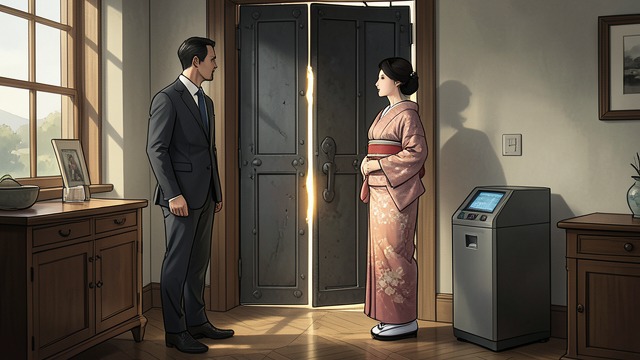
The company’s designation changes, freeing it to enter contracts and apply for loans. A major financing agreement with Mitsubishi Bank signals that the threat of immediate seizure has receded and that the business can again plan for growth.
Personal stakes converge
The recovery also changes the balance of expectations around Sayuri and Nobu Toshikazu. Nobu believes he may now offer her a more secure future, while Sayuri fears that accepting him will permanently close off the possibility of a different life.
Business success brings relief but does not resolve the personal debts created by years of loyalty and sacrifice. The company is in a stronger position; the partnership and Sayuri’s place within its orbit remain emotionally unsettled.
From the company’s founding in 1912 through its early expansion
During Iwamura Electric’s early cash-flow crisis in the 1920s
The final years before Gion’s closure during World War II
After Japan’s surrender and during the Allied Occupation
After Sayuri returns to Gion, before the Amami trip
